How to Plan a Bathroom Remodel in Massachusetts Homes
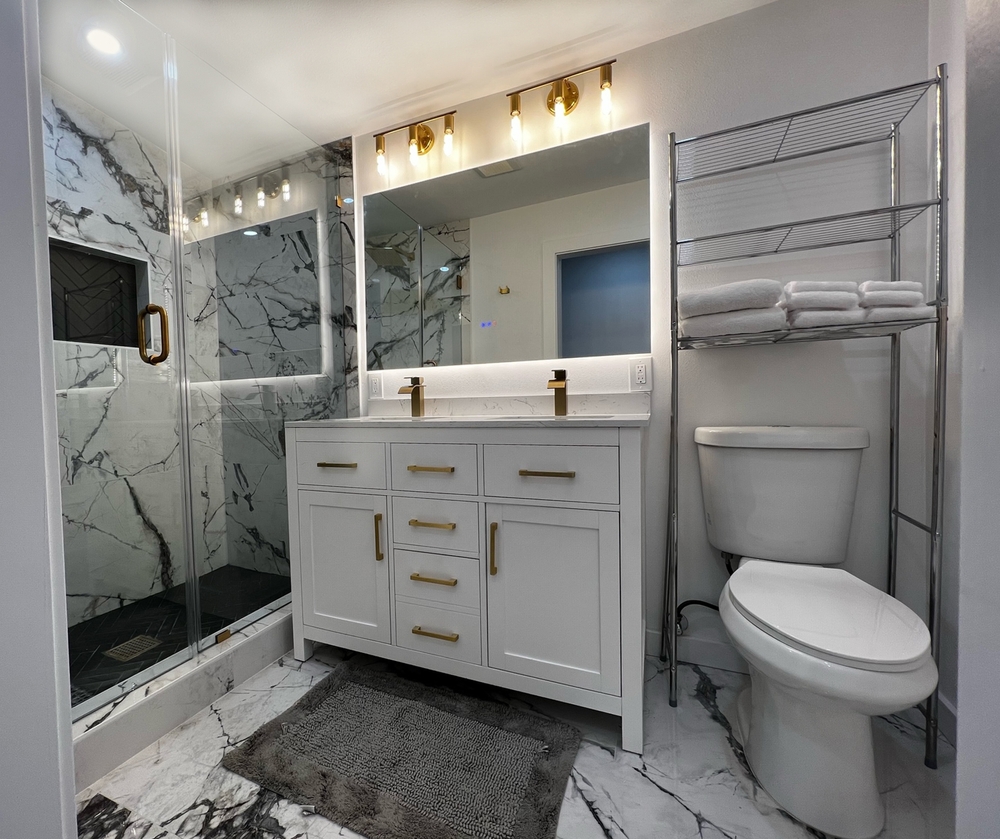 How to Plan a Bathroom Remodel in Massachusetts Homes
Bathroom remodeling is one of the most effective ways to improve both the comfort and value of a home. For Massachusetts homeowners, a well-planned bathroom renovation can transform an outdated space into a functional and modern area while also increasing resale appeal. However, successful remodeling projects require careful planning, budgeting, and an understanding of local requirements before construction begins.
The Big Picture
A bathroom remodel involves more than selecting new fixtures or updating finishes. It is a structured process that includes design, budgeting, material selection, and compliance with Massachusetts building regulations. From plumbing and electrical updates to layout changes, each element must be coordinated to ensure the project is completed safely and efficiently.
Massachusetts homes, especially older properties, often present unique challenges such as outdated plumbing systems or limited space. Proper planning helps address these issues early and prevents unexpected delays during construction. Working with an experienced contractor like Tavares Construction can help homeowners navigate these challenges with confidence.
What’s Happening Now
Before starting a bathroom remodel in Massachusetts, homeowners should first define the scope of the project. Some renovations involve simple cosmetic updates such as replacing fixtures, while others include full redesigns with structural changes.
Budgeting is a critical step. Costs can vary depending on the size of the bathroom, the materials selected, and the complexity of the work. Labor, plumbing, electrical updates, and finishes all contribute to the overall cost.
Permits may also be required depending on the extent of the renovation. Projects involving plumbing, electrical work, or structural changes typically need approval from the local building department. These permits ensure that the work meets Massachusetts building codes and safety standards.
Planning Your Bathroom Layout
One of the most important decisions in a bathroom remodel is the layout. Keeping existing plumbing locations can help reduce costs, while relocating fixtures such as toilets or showers may require additional work.
Homeowners should consider how the space will be used. For example, a family bathroom may prioritize storage and durability, while a master bathroom may focus more on comfort and aesthetics.
Maximizing space is especially important in smaller Massachusetts homes. Features such as walk-in showers, floating vanities, and built-in storage can make a bathroom feel larger and more functional.
Choosing Materials and Fixtures
Material selection plays a major role in both the appearance and durability of a bathroom. Moisture-resistant materials are essential to prevent long-term damage.
Popular choices include:
- Tile flooring and walls for durability and water resistance
- Quartz or granite countertops for easy maintenance
- Modern vanities with built-in storage
- Energy-efficient lighting and fixtures
Homeowners are increasingly choosing finishes that balance style with practicality, ensuring the space remains functional for years to come.
How to Plan a Bathroom Remodel in Massachusetts Homes
Bathroom remodeling is one of the most effective ways to improve both the comfort and value of a home. For Massachusetts homeowners, a well-planned bathroom renovation can transform an outdated space into a functional and modern area while also increasing resale appeal. However, successful remodeling projects require careful planning, budgeting, and an understanding of local requirements before construction begins.
The Big Picture
A bathroom remodel involves more than selecting new fixtures or updating finishes. It is a structured process that includes design, budgeting, material selection, and compliance with Massachusetts building regulations. From plumbing and electrical updates to layout changes, each element must be coordinated to ensure the project is completed safely and efficiently.
Massachusetts homes, especially older properties, often present unique challenges such as outdated plumbing systems or limited space. Proper planning helps address these issues early and prevents unexpected delays during construction. Working with an experienced contractor like Tavares Construction can help homeowners navigate these challenges with confidence.
What’s Happening Now
Before starting a bathroom remodel in Massachusetts, homeowners should first define the scope of the project. Some renovations involve simple cosmetic updates such as replacing fixtures, while others include full redesigns with structural changes.
Budgeting is a critical step. Costs can vary depending on the size of the bathroom, the materials selected, and the complexity of the work. Labor, plumbing, electrical updates, and finishes all contribute to the overall cost.
Permits may also be required depending on the extent of the renovation. Projects involving plumbing, electrical work, or structural changes typically need approval from the local building department. These permits ensure that the work meets Massachusetts building codes and safety standards.
Planning Your Bathroom Layout
One of the most important decisions in a bathroom remodel is the layout. Keeping existing plumbing locations can help reduce costs, while relocating fixtures such as toilets or showers may require additional work.
Homeowners should consider how the space will be used. For example, a family bathroom may prioritize storage and durability, while a master bathroom may focus more on comfort and aesthetics.
Maximizing space is especially important in smaller Massachusetts homes. Features such as walk-in showers, floating vanities, and built-in storage can make a bathroom feel larger and more functional.
Choosing Materials and Fixtures
Material selection plays a major role in both the appearance and durability of a bathroom. Moisture-resistant materials are essential to prevent long-term damage.
Popular choices include:
- Tile flooring and walls for durability and water resistance
- Quartz or granite countertops for easy maintenance
- Modern vanities with built-in storage
- Energy-efficient lighting and fixtures
Homeowners are increasingly choosing finishes that balance style with practicality, ensuring the space remains functional for years to come.
Working With a Local Contractor
For many Massachusetts homeowners, one of the most important parts of a successful bathroom remodel is working with a contractor who understands the local housing stock, permitting process, and building requirements. Older homes, common throughout the state, often require careful planning when updating plumbing, electrical systems, and layouts.
Local contractors such as Tavares Construction are familiar with these conditions and can help guide projects from the planning phase through final completion. Having that level of experience can make a noticeable difference in how smoothly a renovation progresses, especially when unexpected challenges arise.
In most cases, homeowners benefit from early conversations with a contractor to better understand project scope, realistic timelines, and design possibilities before construction begins.