What Homeowners Should Know Before Building a Deck in Massachusetts
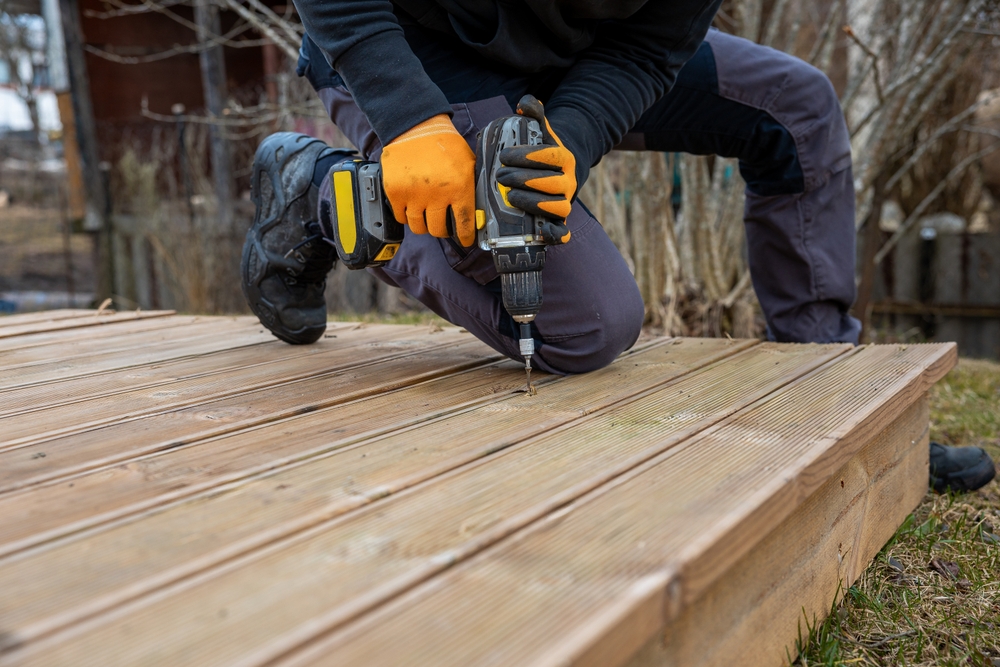 What Homeowners Should Know Before Building a Deck in Massachusetts
Building a deck is one of the most popular home improvement projects for Massachusetts homeowners. A well-designed deck can extend your living space, improve outdoor enjoyment, and increase the overall value of your property. Before starting construction, however, there are several important factors to consider including permits, material choices, structural safety, and long-term maintenance. Understanding these elements can help ensure your deck project is successful and compliant with local building regulations.
The Big Picture
Deck construction involves more than simply attaching wood boards to the back of a house. In Massachusetts, outdoor structures such as decks must follow state building codes and local municipal regulations. These codes exist to ensure decks are structurally safe, properly supported, and able to withstand weather conditions common throughout New England.
The Massachusetts State Building Code establishes minimum standards for residential construction, including decks and other exterior structures. These guidelines cover areas such as load requirements, railing height, stair construction, and structural connections to the home. Following these rules helps prevent accidents and ensures the deck is built to last.
For homeowners, this means that deck projects should always be carefully planned and executed by experienced contractors who understand these requirements.
What’s Happening Now
Before building a deck in Massachusetts, homeowners typically need to obtain a building permit from their local town or city building department. Permits ensure that construction plans are reviewed and inspected to confirm they meet safety standards.
Permits are commonly required when a deck is attached to a house, elevated above a certain height, or includes stairs and railings. Local inspectors may also review foundation supports, footings, and structural connections during the construction process.
Another factor homeowners should consider is Massachusetts weather. Seasonal temperature changes, snow loads, and moisture can all affect the longevity of a deck. Choosing the right materials and construction methods helps prevent problems such as warping, rot, and structural weakening over time.
Because of these conditions, many homeowners now consider modern decking materials such as composite boards that require less maintenance than traditional wood while still providing durability and aesthetic appeal.
Community Impact
Decks are often a central feature of backyard living in Massachusetts communities. They provide space for gatherings, outdoor dining, and relaxation throughout the warmer months. Because decks are attached to homes and frequently elevated, building them safely is essential.
Improperly built decks can pose serious safety risks. Structural failures are often caused by poor connections to the home, inadequate footings, or weakened materials. Proper design and professional construction significantly reduce these risks.
Beyond safety, a well-built deck can also improve a home’s resale value. Outdoor living spaces are consistently among the features that homebuyers find most appealing, especially when they are professionally designed and maintained.
Key Planning Considerations
When planning a deck construction project, homeowners should consider several key factors.
Deck Size and Layout
The size of the deck should match how the space will be used. Some homeowners prefer smaller decks for simple seating areas, while others build larger spaces designed for entertaining.
Material Selection
Traditional pressure-treated lumber remains a common option, but composite decking materials have grown in popularity due to their durability and low maintenance requirements.
Structural Design
Decks must be supported by proper footings and framing that meet building code standards. Professional contractors ensure that weight loads and structural connections are properly engineered.
Safety Features
Railings, stairs, and guard systems must meet specific height and spacing requirements to protect occupants and prevent falls.
Maintenance Requirements
Homeowners should consider long-term upkeep when selecting materials. Wood decks often require periodic staining or sealing, while composite materials typically require less maintenance.
What’s Next
Once planning and permitting are complete, the construction phase can begin. Hiring an experienced contractor is one of the most important steps in ensuring a smooth project. Licensed professionals understand local building requirements and can guide homeowners through each phase of the project from design to final inspection.
Proper planning also allows homeowners to make thoughtful decisions about layout, materials, and finishing touches that will enhance the appearance and functionality of the deck.
With the right preparation, a deck can become one of the most valuable and enjoyable features of a home.
Conclusion
Building a deck in Massachusetts can significantly enhance your home’s outdoor living space while increasing property value. However, successful deck construction requires careful planning, compliance with local building codes, and quality craftsmanship.
By understanding permit requirements, selecting durable materials, and working with experienced contractors, homeowners can ensure their deck is safe, attractive, and built to last for many years.
References
Massachusetts Office of Consumer Affairs – Home Improvement Contractor Guidelines
https://www.mass.gov/home-improvement-contractor-program