Best Siding for New England Homes: What Homeowners Should Know
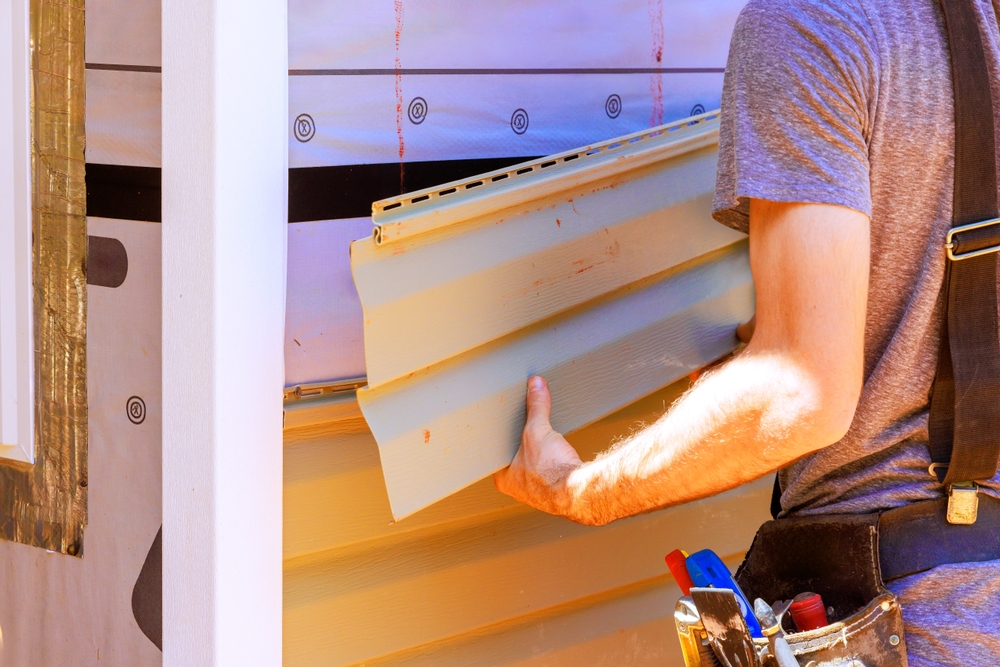 Choosing the best siding in New England is about more than giving a home a cleaner look. It is about protecting the structure from a demanding regional climate. Homes across New England face cold winters, humid summers, wind-driven rain, snow, ice, coastal moisture, and repeated freeze-thaw cycles. Over time, those conditions can wear down older siding, open up weak points, and allow moisture to reach the materials underneath.
That is why siding replacement should be treated as a home protection project, not just a cosmetic upgrade. Tavares Construction LLC helps homeowners review the condition of their existing exterior, compare siding materials, and choose an option that fits the home’s style, budget, and long-term maintenance needs.
The best siding in New England depends on the home itself. A coastal property may need siding that handles moisture and salt air. A wooded lot may need materials that stand up better to dampness, shade, pests, and organic buildup. An older home may need damaged trim, sheathing, flashing, or exterior details corrected before new siding is installed. A newer home may simply need an exterior upgrade that improves curb appeal and reduces future maintenance.
Tavares Construction LLC helps homeowners look beyond the surface. Before recommending a siding option, the exterior should be checked for cracked siding, loose panels, rotting trim, soft spots, water staining, failed caulking, open seams, and areas where moisture may be getting behind the wall system. This step matters because new siding should not be used to hide existing damage. It should be part of a stronger, better-protected exterior.
Moisture control is one of the biggest reasons siding matters in New England. The U.S. Department of Energy explains that managing moisture inside and around a home is important for comfort, energy efficiency, indoor air quality, and mold prevention. For homeowners, that means siding, flashing, drainage, house wrap, and trim details all play a role in how well the exterior protects the home.
Fiber cement siding is often one of the strongest choices for New England homes because it offers a durable, attractive, and lower-maintenance alternative to traditional wood. It can provide the look of painted clapboard or shingles while offering stronger resistance to many common exterior problems when installed correctly. For homeowners who want long-term performance without the same maintenance demands as wood, fiber cement can be a smart option.
Tavares Construction LLC can help homeowners decide whether fiber cement siding is the right fit for their property. The decision should consider the home’s age, exposure, architectural style, budget, and maintenance expectations. Fiber cement can work especially well on colonials, capes, ranches, coastal homes, and updated traditional properties where homeowners want a clean New England appearance with improved durability.
Installation quality is critical with fiber cement siding. The material needs proper clearances, approved fasteners, accurate flashing, solid trim details, and careful wall preparation. If the home has damaged sheathing, rotted trim, poor drainage, or old exterior materials that are already failing, those issues should be corrected before the new siding is installed. Tavares Construction LLC helps homeowners avoid the mistake of covering over exterior problems that could continue to worsen behind the wall.
Vinyl siding is another popular option for New England homeowners, especially when budget and lower maintenance are priorities. It comes in many colors and profiles, does not require painting, and can give an older home a cleaner, more updated appearance. For many properties, vinyl siding can be a practical way to improve curb appeal while reducing the upkeep that comes with older painted siding.
Insulated vinyl siding may also be worth considering for homeowners who want added exterior performance. While siding alone should not be treated as a complete energy solution, insulated siding can support a better wall assembly when installed as part of a properly detailed project. Tavares Construction LLC can help homeowners compare standard vinyl, insulated vinyl, fiber cement, and other siding options so they can make a confident decision.
Vinyl siding must be installed with New England’s temperature swings in mind. The material expands and contracts as temperatures change, so panels need the right fastening, spacing, and trim details. If vinyl is installed too tightly or poorly detailed around windows, doors, corners, and rooflines, it can buckle, loosen, or create areas where water is not managed properly. A careful installation helps the siding look better and perform better over time.
Wood siding remains a classic choice throughout New England. Cedar shingles, clapboard, and other wood profiles can give a home a traditional appearance that many homeowners value. On historic homes, coastal cottages, and classic New England properties, wood siding can create an authentic look that is difficult to duplicate.
The tradeoff is maintenance. Wood siding needs regular painting, staining, sealing, and inspection. If it is neglected, it can peel, crack, absorb moisture, rot, or attract pests. Tavares Construction LLC can help homeowners decide whether wood siding makes sense for their lifestyle or whether a modern alternative can provide a similar appearance with less long-term upkeep.
For many homeowners, the best siding choice comes down to priorities. Fiber cement is often a strong overall choice for durability, appearance, and long-term value. Vinyl siding is often a strong value-focused choice for affordability and lower maintenance. Wood siding is often best for homeowners who want a traditional appearance and are prepared to maintain it properly.
A siding project should also account for wind-driven rain. FEMA has noted that wind-driven rain can enter through weaknesses in a building’s exterior envelope, which can lead to water damage. That is why the details around the siding matter just as much as the siding material itself. Windows, doors, trim boards, corners, rooflines, vents, and exterior penetrations all need to be handled correctly.
Tavares Construction LLC helps homeowners solve these issues by looking at the full exterior system. If flashing is missing, trim is failing, seams are open, or old siding has allowed moisture behind the wall, those details can be addressed as part of the siding project. This creates a stronger result than simply installing new material over old problems.
New siding can also improve the value and appearance of a home. Faded, cracked, stained, or outdated siding can make a property look older than it really is. Replacing it can refresh the exterior, sharpen the home’s architectural lines, and create a cleaner first impression. For homeowners preparing to sell, that curb appeal can matter. For homeowners planning to stay, new siding can reduce maintenance stress and improve confidence in the home’s exterior condition.
The best siding in New England is not the same product for every home. It is the siding material and installation approach that fits the property, stands up to the weather, supports the budget, and protects the structure underneath. Tavares Construction LLC helps homeowners make that choice with a focus on durability, protection, and long-term value.
Whether the goal is replacing worn-out siding, upgrading from older wood, improving curb appeal, or addressing exterior moisture concerns, Tavares Construction LLC can provide the siding guidance and installation support homeowners need to move forward with confidence.
References
U.S. Department of Energy: Moisture Control
EPA: Extreme Precipitation
Building America Solution Center: Moisture-, Impact-, Fire-, and Pest-Resistant Exterior Siding
FEMA: Wind Retrofit Guide for Residential Buildings